
Health Highlights
Health minister’s intervention highlights Israel’s protekzia problem, healthcare gaps – editorial
A recent attempt by a haredi journalist to defend Health Minister Haim Katz has instead sparked a wider conversation about the systemic inequalities embedded within the Israeli healthcare system. Seeking to counter critics who claim Katz is overextended while managing multiple ministries, the journalist shared a heartfelt account of how the minister personally intervened to secure urgent radiation therapy for her ailing uncle. After being told the next available appointment was three weeks away, a direct plea to Katz resulted in immediate treatment at Sheba Medical Center the following morning.
While the gesture was intended as praise for the minister’s efficiency and compassion, it served as a stark illustration of protekzia, the culturally ingrained practice of using personal connections to bypass bureaucratic hurdles. By presenting this intervention as a success story, the author inadvertently highlighted a troubling reality where access to critical medical care can depend on who you know rather than clinical urgency alone. For many, the anecdote felt less like a testament to leadership and more like an admission that the standard path for patients is broken.
The incident raises uncomfortable questions about equity in public health. While gratitude is certainly due when a patient finds relief from pain, the reliance on political leverage suggests a two tiered system of care. Most Israelis do not have a direct line to a cabinet minister or a journalist with high level access; they navigate a labyrinth of waiting lists and administrative transfers, often enduring prolonged suffering because they lack the necessary social capital to jump the queue.
Ultimately, this situation reflects a broader failure of public infrastructure rather than an individual lapse in judgment. The true metric of a successful healthcare system is not how quickly it responds to the requests of the powerful, but how effectively it treats those who have no one to call on their behalf. When shortcuts become the primary method for obtaining timely care, it underscores a gap in service that leaves ordinary citizens waiting in line while others move ahead through influence.
Related Stories

Edopi Health Care Clinic Highlights Breast Implant Care as Vietnam Expands Focus on Medical Tourism
Vietnam is increasingly positioning itself as a competitive destination for global medical tourism, expanding its reach beyond basic…

‘We’ve got to stop criminalizing mental illness’: Chesterfield Sheriff highlights need for mental health support
Chesterfield Sheriff Karl Leonard is sounding an alarm over a systemic collapse in mental health care, arguing that…

Murkowski highlights Alaska suicide rate during Senate hearing
Senator Lisa Murkowski brought the stark reality of Alaska’s mental health crisis to the forefront of a Senate…
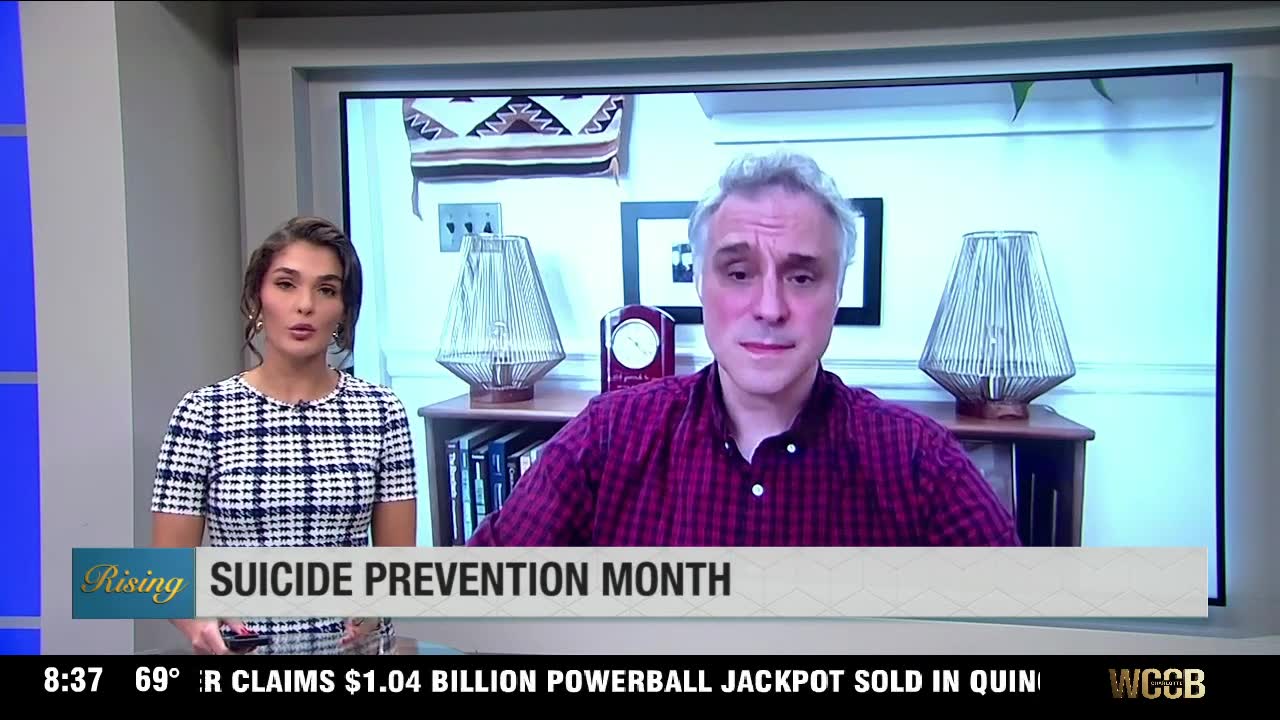
Suicide Prevention Month highlights mental health risks for men
As September marks the arrival of Suicide Prevention Month, health experts are shining a spotlight on a sobering…