
Health Care
Unearthed audio exposes stunning El-Sayed admission about his healthcare pitch
A newly unearthed audio recording from over a decade ago is casting a shadow over Abdul El-Sayed’s campaign for the U.S. Senate in Michigan. The clip, taken from a 2011 appearance on the Sense and Sustainability podcast, reveals El-Sayed admitting that his early vision for healthcare reform involved intentionally increasing costs for wealthier patients to provide access for others. In the recording, he describes a system where those already possessing healthcare would see their expenses rise marginally so that others could gain entry into the system.
These revelations come at a volatile time for the Democratic nominee as he prepares to challenge Republican Mike Rogers in November. While El-Sayed has since pivoted toward championing a Medicare-for-all platform—which he claims would eliminate premiums and deductibles for all citizens regardless of income—critics argue that the old audio proves his underlying philosophy remains rooted in selective socialism. Opponents, including Florida Representative Kat Cammack, have seized on these contradictions, suggesting his current rhetoric is more akin to a sales pitch than a consistent policy framework.
Republicans have wasted no time using the footage to warn voters about the potential financial burden of El-Sayed’s agenda. Senator John Barrasso and other skeptics point to Congressional Budget Office projections suggesting that such expansive government programs could lead to substantial increases in national spending and potentially double income taxes for many American families. They argue that while El-Sayed frames his approach as a quest for equality, it represents a dangerous shift toward government-run care that could ultimately compromise quality.
As the race to succeed retiring Senator Gary Peters intensifies, the focus has shifted heavily toward how El-Sayed intends to fund his ambitious promises without alienating middle and upper class voters. His campaign has not yet provided detailed commentary on whether his views evolved or if the redistributed cost model mentioned in 2011 still informs his current strategy. With the general election approaching on November 3, this clash between progressive ideals and fiscal reality is likely to define the battleground in Michigan.
Related Stories

Sitrin Health Care Center cuts ribbon on 75 years serving the Mohawk Valley
The Sitrin Health Care Center in New Hartford recently marked a historic milestone, celebrating 75 years of dedicated…

More job cuts by the University of Vermont Health Network to improve sustainability
The University of Vermont Health Network is facing another round of workforce reductions as it struggles to stabilize…

Health benefits platform Thatch reaches $1B valuation as healthcare costs surge
Health benefits platform Thatch has officially entered unicorn territory, reaching a valuation of one billion dollars following a…
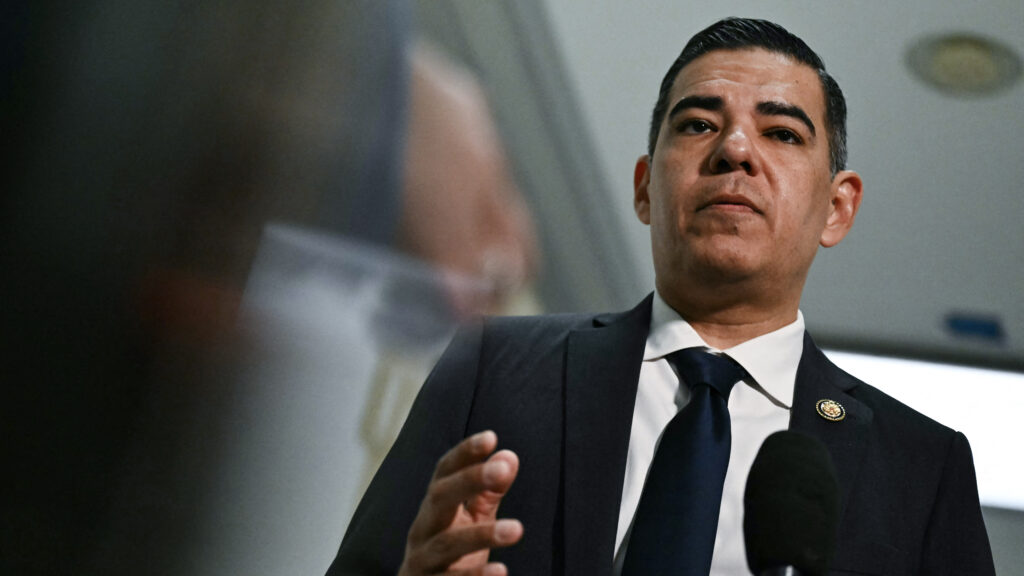
House Democrats may use oversight powers to plan for health care overhaul
House Democrats are preparing a strategic offensive centered on aggressive oversight should they reclaim control of either the…